A quality service provided by Assure Health Care Solutions Pvt. Ltd
A quality service provided by Assure Health Care Solutions Pvt. Ltd
+91 98959 90043
+91 87148 42066
info@radproteleradiology.com
hr@radproteleradiology.com
Second Floor, Sree Sree Complex,
Madannada, Kollam -691010
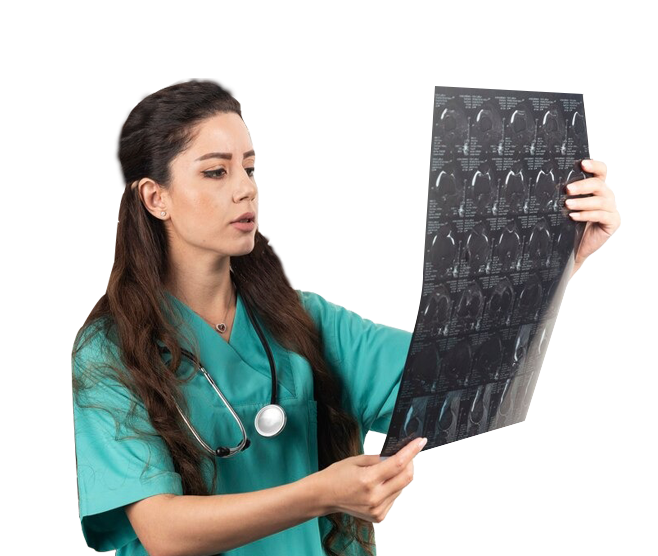
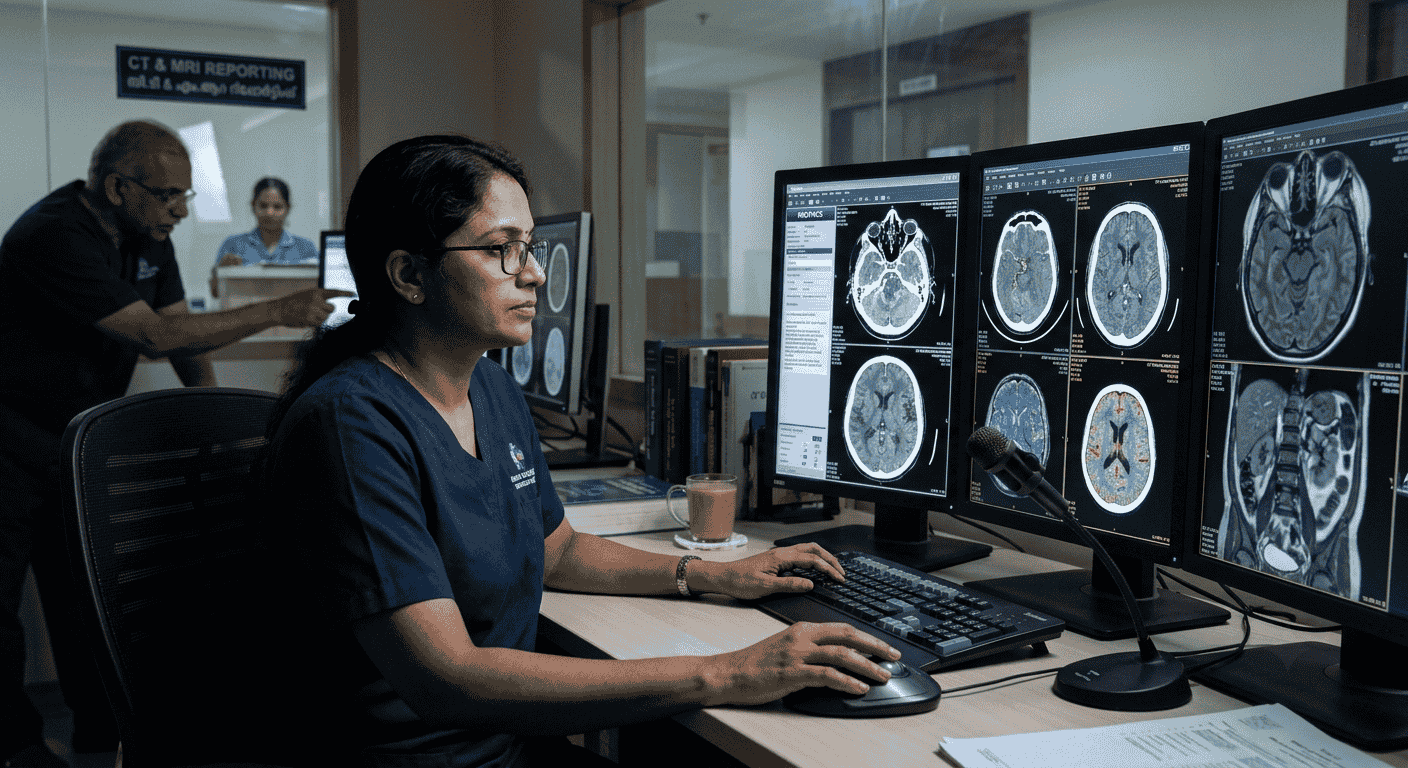
Correct diagnosis is one of the key elements of efficient healthcare. Physicians need medical imaging such as X-ray, CT scans, MRI scans and ultrasound tests to gain insight into a patient’s condition and make further decisions regarding treatment methods. In case of simple imaging diagnosis, no extra skills and efforts are needed, but difficult cases need additional analysis and reporting.
In Kerala, various healthcare institutions treat patients suffering from different diseases. With growing demand for sophisticated diagnostic imaging, the role of skilled radiologists is becoming more and more significant. Radiology reporting of complicated cases in Kerala will enable healthcare organizations to receive accurate imaging reports.
Specialized radiology reporting, provided with the use of proper technologies and staffed with specialists, can improve diagnostics of difficult cases.
A specialist radiology report refers to an interpretation of medical images conducted by a radiologist who has the appropriate skills and experience with certain fields in imaging. The radiologist analyses imaging findings, makes observations and prepares a report which helps the physician understand the patient’s diagnosis.
Difficulties in interpretation may include the presence of multiple abnormalities, rare disease, vague imaging findings or problems that need more detailed investigation. In these circumstances, specialist skills may assist in providing a thorough interpretation of findings.
This is because a neurological problem needs a thorough brain MRI scan while a possible tumor needs to be analyzed for its size, position and relation to other body parts. Also, musculoskeletal injury may need a thorough examination of the bones, ligaments and soft tissues.
Therefore, it becomes easier to interpret the findings.
Kerala has a diverse healthcare network that includes multispecialty hospitals, smaller hospitals and independent diagnostic centres. However, access to every radiology subspecialty may not be available at every facility.
Specialist reporting can help address this challenge by connecting healthcare providers with radiologists who have relevant experience in interpreting specific types of medical images.
The benefits include:
Radiology reports are one part of the diagnostic process. Doctors must interpret them alongside symptoms, medical history, physical examination and other investigation results.
Certain imaging studies benefit from detailed interpretation by radiologists with relevant subspecialty expertise.
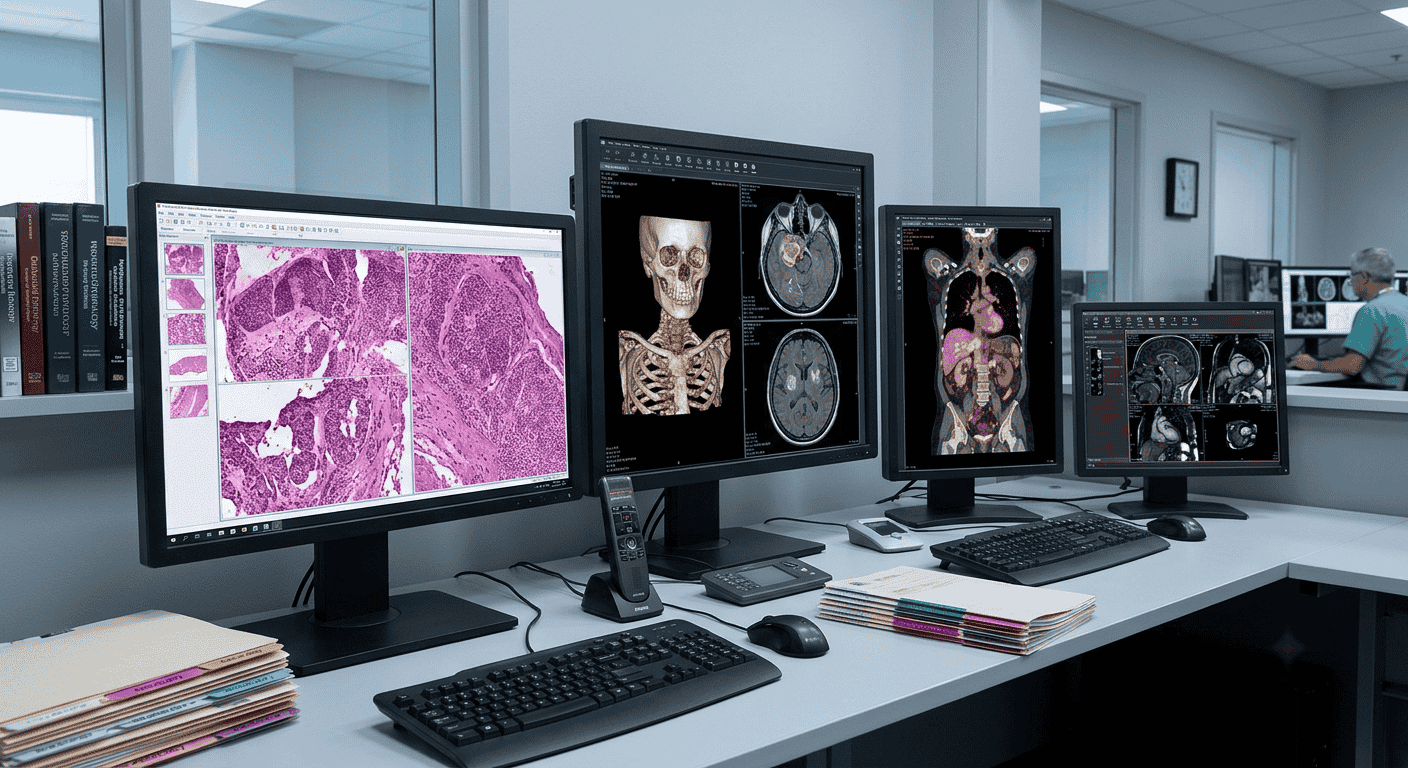
MRI and CT scan of the brain are often ordered to diagnose symptoms that occur in the nervous system, injury to the head, stroke, seizures, and other brain-related diseases.
When dealing with complex neurological cases, the assessment of minute changes in the brain tissues, hemorrhage, and lesions becomes of great importance. Neuroradiology experts could be helpful in describing them.
Communication of the results is especially crucial in case of an emergency.
Medical imaging plays a major role in identifying suspicious lesions, evaluating disease extent and monitoring treatment response.
Complex oncology cases may involve comparisons between previous and current scans, assessment of multiple lesions or evaluation of changes following treatment. Detailed reporting can help clinicians understand the imaging findings and plan further management.
Radiology findings must be considered alongside pathology results and other clinical information when confirming a diagnosis.
Injuries to the sport, bone fractures, joints and soft tissue could call for an imaging assessment.
Magnetic resonance imaging will show ligament, tendon, cartilage and muscle injuries which might not be easily seen on X-ray images. The expert radiological opinion will enable the description of the exact location and magnitude of these abnormalities.
The information helps orthopedic and other treating physicians.
CT scans and MRI examinations of the chest and abdomen can reveal a wide range of conditions involving internal organs, blood vessels and surrounding tissues.
Some cases involve multiple findings or subtle abnormalities that require careful assessment. Specialist reporting can help characterise these findings and identify features that may require further investigation.
Teleradiology allows medical images to be securely transmitted to qualified radiologists for remote interpretation. It can help hospitals and diagnostic centres access reporting expertise beyond the professionals physically available at their facilities.
For healthcare providers in Kerala, this model can be useful when specialist reporting is required for complex cases or when imaging volumes increase.
A typical workflow includes:
The quality of this process depends on secure technology, complete clinical information, qualified radiologists and clear communication between the reporting team and treating clinicians.
Healthcare facilities should carefully evaluate their reporting requirements before selecting a teleradiology provider.
Important factors include:
Click one of our contacts below to chat on WhatsApp