
A quality service provided by Assure Health Care Solutions Pvt. Ltd
A quality service provided by Assure Health Care Solutions Pvt. Ltd
+91 98959 90043
+91 87148 42066
info@radproteleradiology.com
hr@radproteleradiology.com
Second Floor, Sree Sree Complex,
Madannada, Kollam -691010
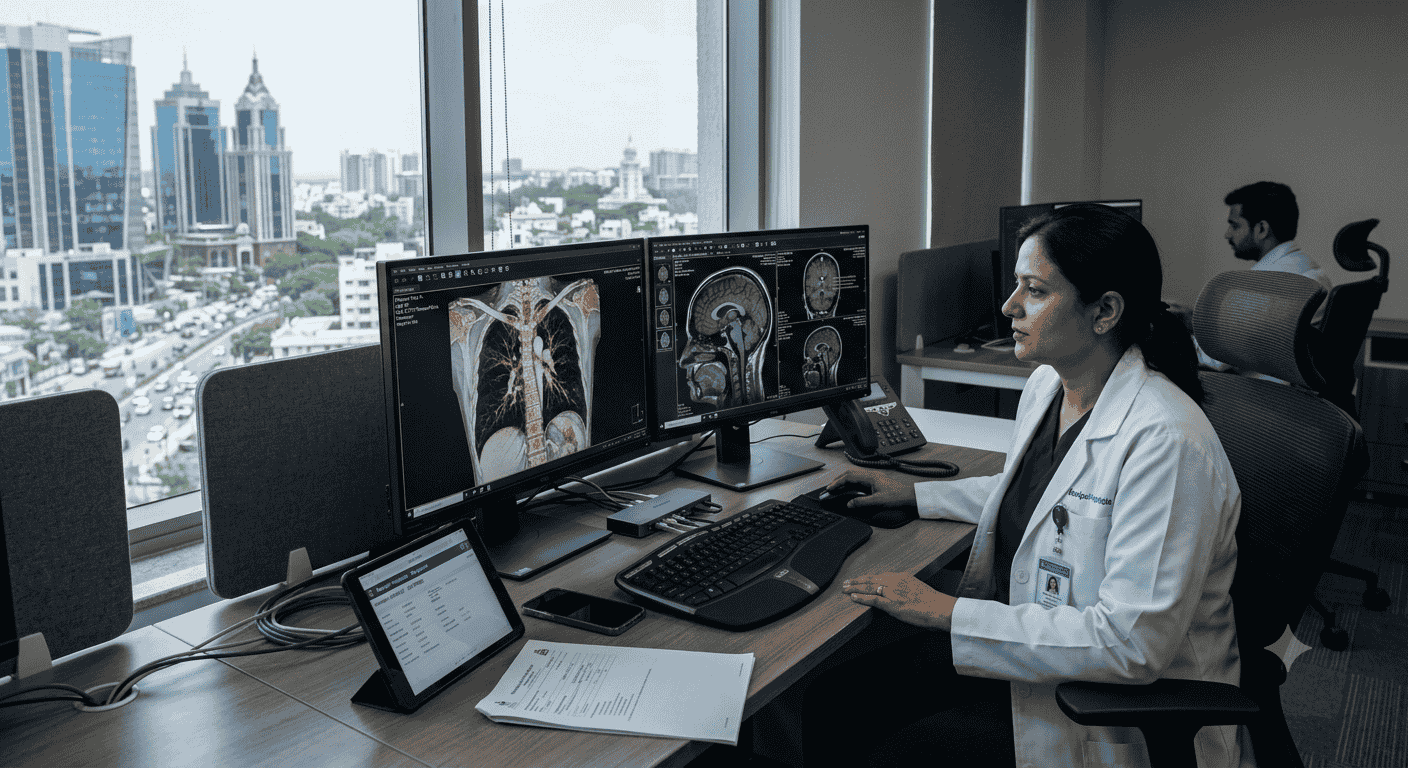
Bangalore is among India’s major healthcare cities that has multiple multispecialty hospitals, diagnostics centers, and specialized medical care facilities. As the number of patients requiring diagnostic imaging increases, there is a need to have effective solutions to manage the X-rays, CT scan, MRI scans, and other types of imaging.
However, it may be difficult to ensure reporting consistency if imaging volume is high or the availability of specialists is limited. Teleradiology provides an ideal solution where medical images can be transferred to qualified radiologists in order to interpret them remotely. RadPro Teleradiology can help health care professionals improve their diagnostic reporting processes through teleradiology services.
The hospitals have to manage the need for patient imaging, reporting deadlines, and the availability of radiologists. Delay in reporting can impact clinical processes, especially in emergency rooms because the doctors need the imaging report to make any decision.
With teleradiology, the hospitals can send their medical images to radiologists who are based elsewhere through a secure digital process. This will ensure that the health care facility does not completely depend on the presence of radiologists at the hospital to get their reports.
In the case of hospitals in Bangalore, it will enable the hospitals to manage their reporting and other processes effectively.
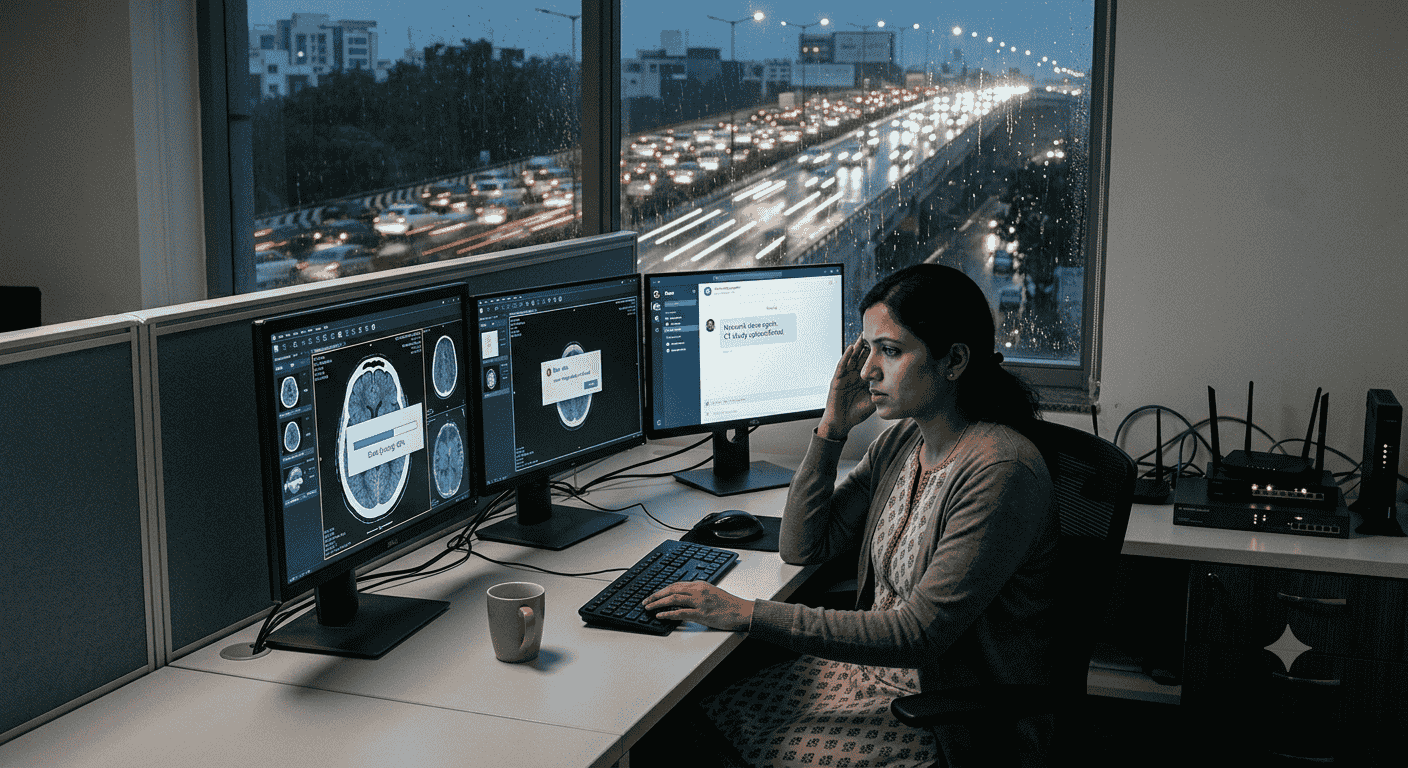
Although teleradiology offers several advantages, hospitals must address practical challenges before implementing it.
Busy hospitals and diagnostic centres may process a large number of imaging studies every day. When reporting demand increases, existing radiology teams may experience additional workload.
A structured teleradiology arrangement can provide supplementary reporting capacity. Hospitals should establish clear procedures for case allocation, prioritisation and turnaround times to help manage routine and urgent examinations effectively.
Medical images and reports contain confidential patient information. Transferring these records between hospitals and remote radiologists requires appropriate security measures.
Hospitals should select systems that support secure image transfer, controlled access, data protection and compliance with applicable Indian data protection requirements. Clear agreements should also define how patient information is accessed, processed and stored.
Remote reporting must meet the same professional expectations as other radiology services. Reports need to be accurate, clinically useful and completed by appropriately qualified professionals.
Hospitals should evaluate the qualifications of reporting radiologists, quality assurance procedures, escalation protocols and communication processes. A reliable system should also allow clinicians to seek clarification when necessary.
Hospitals may already use Picture Archiving and Communication Systems (PACS), Radiology Information Systems (RIS) and Hospital Information Systems (HIS). Integrating remote reporting with these systems can require technical planning.
Smooth integration helps ensure that images, patient details and completed reports reach the correct teams without unnecessary manual work.
Despite these challenges, teleradiology creates opportunities for hospitals seeking more flexible diagnostic services.
Remote reporting allows hospitals to connect with qualified radiologists beyond their immediate location. This can be helpful when additional specialist expertise is needed or when local reporting capacity is limited.
Hospitals operate around the clock, and imaging requirements do not always follow regular working hours. Depending on the service agreement and radiologist availability, teleradiology can support reporting outside normal operating hours.
For emergency cases, hospitals should define priority levels, escalation procedures and expected reporting turnaround times in advance.
Hospitals may experience changes in imaging demand throughout the day, week or year. Remote reporting can provide additional flexibility when the volume of cases exceeds the capacity of the in-house team.
This approach can help hospital management plan reporting resources according to operational needs while maintaining appropriate clinical oversight.
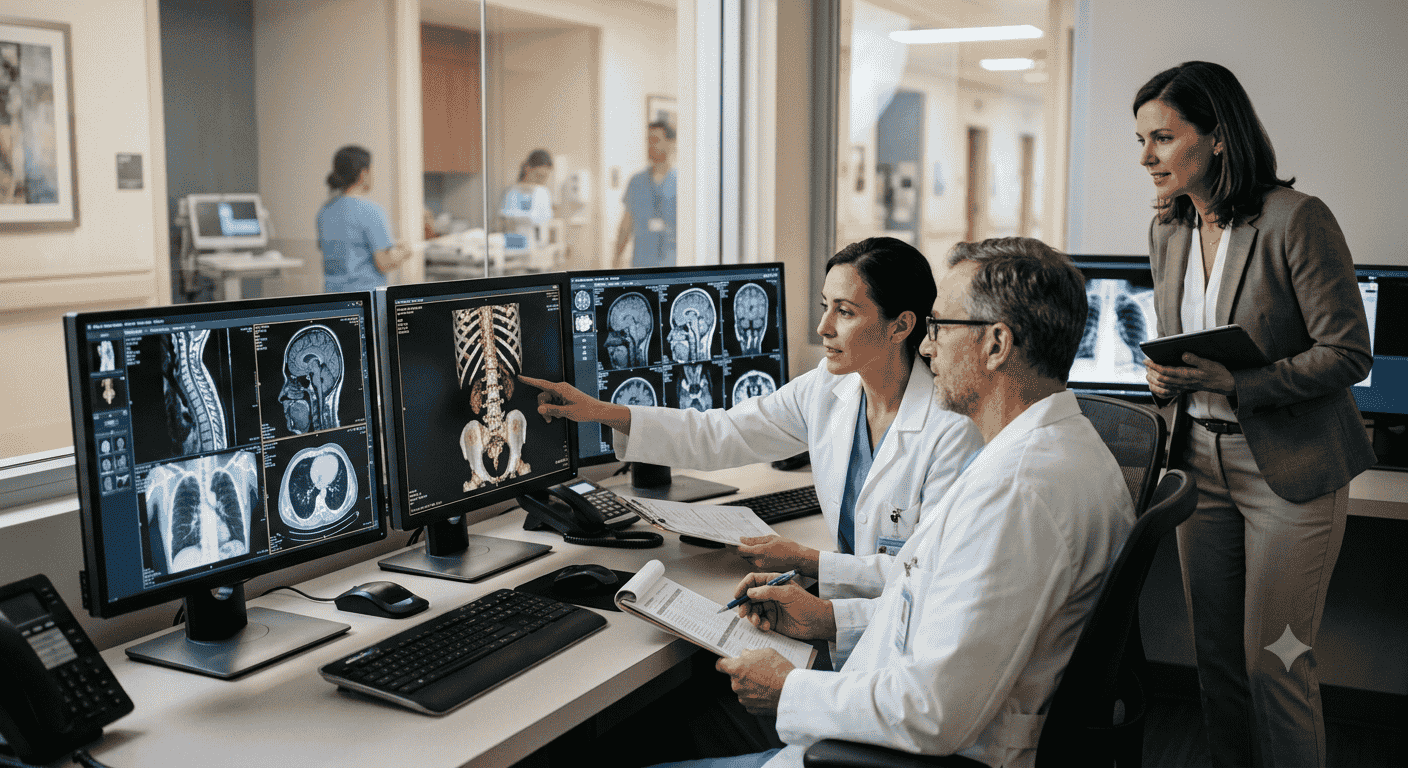
As healthcare facilities expand, their imaging requirements may increase. Teleradiology can offer a scalable reporting option, provided the service has sufficient radiologist capacity, secure infrastructure and clearly defined responsibilities.
Before selecting a provider, hospital administrators and radiology department heads should evaluate the following factors:
Choosing a provider based only on cost may overlook important factors affecting reporting quality and patient care.
Click one of our contacts below to chat on WhatsApp